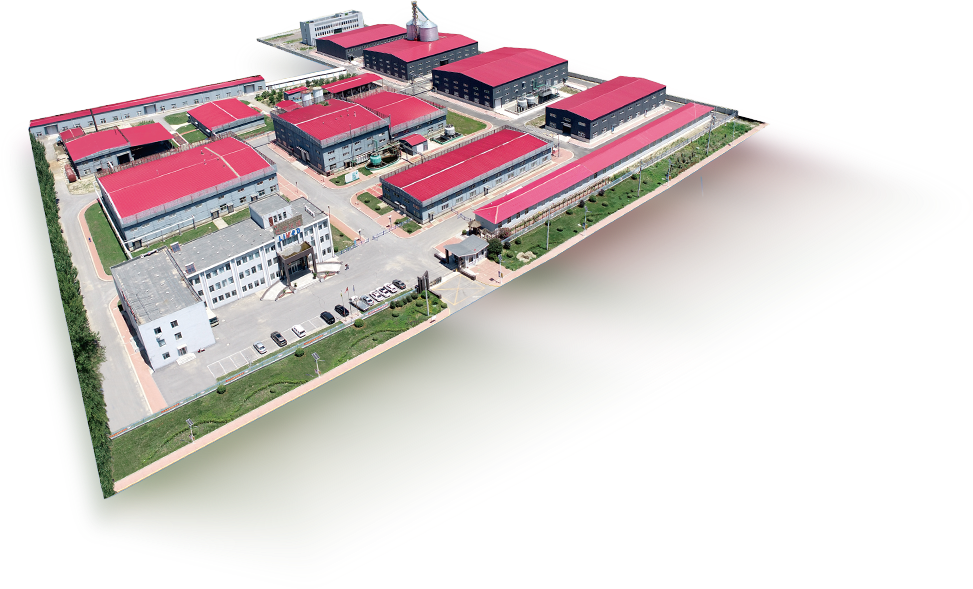
 LIVERD Aerial View
2013
LIVERD PHARMA,Est. 2013 (Rooted in 1987) | The Professional Milk Thistle Extract GMP manufacturer, Devoted to the Global Liver Health


More→


Devote to liver health

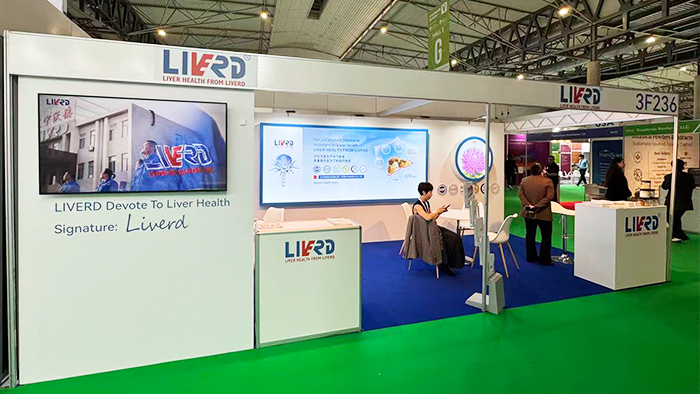
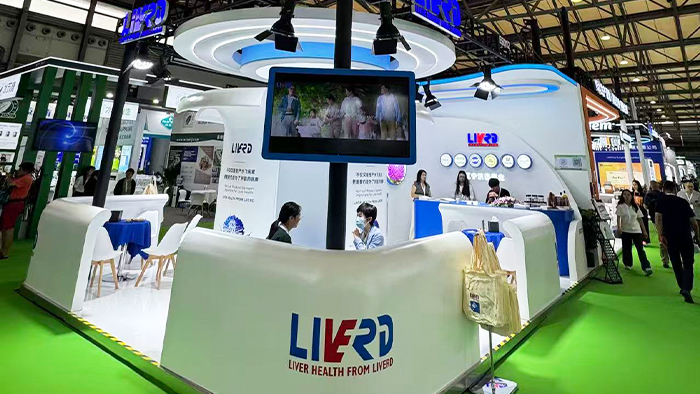

 LIVERD Aerial View
LIVERD PHARMA,Est. 2013 (Rooted in 1987) | The Professional Milk Thistle Extract GMP manufacturer, Devoted to the Global Liver Health
Acetone was the solvent of choice when silymarin extraction from milk thistle (Silybum marianum) first began in China. Among commonly used solvents, acetone provides the highest extraction yield of silymarin at equivalent potency. Today, acetone-extracted silymarin remains the most widely used form on the global market.
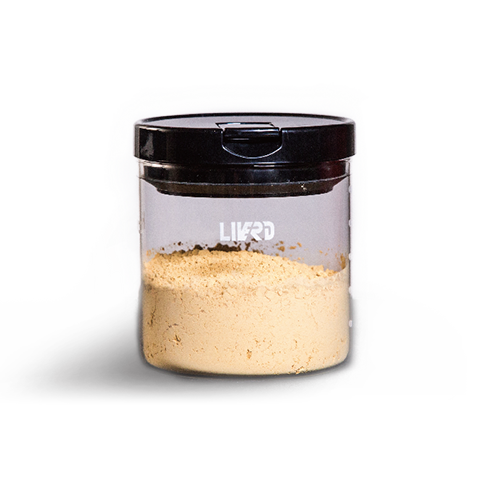
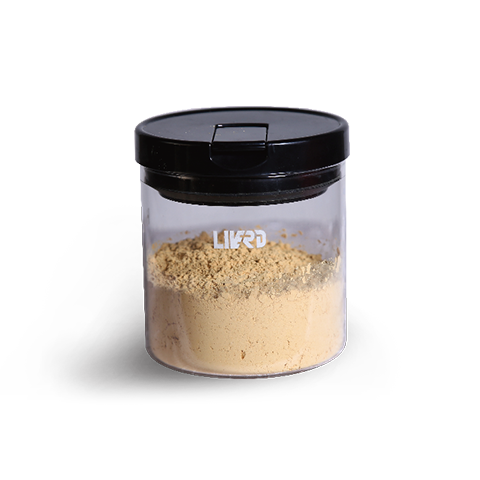
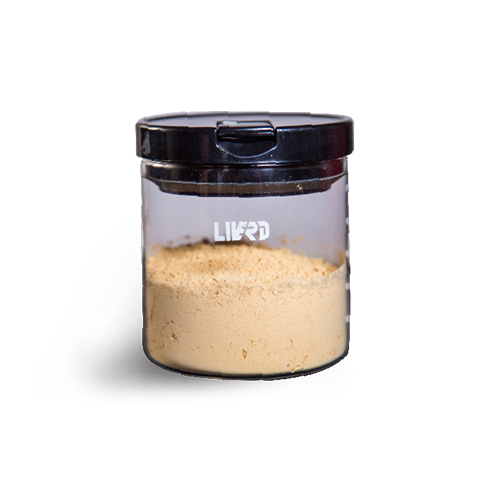
Silybin, also known as Silibinin (INN), is the major active constituent of silymarin, and is obtained by refining silymarin. It is a mixture of two diastereomers, silybin A and silybin B, in an approximately equimolar ratio.
Water-soluble silymarin is a complex formed by combining silymarin with a solubilizing agent. It overcomes the bioavailability limitations caused by silymarin's poor water solubility, enabling rapid dissolution in water and enhanced absorption by the body. Its applications extend beyond pharmaceuticals to include functional foods, beverages, dietary supplements, and cosmetic products.
Water-soluble silybin is a product formed by combining silybin with a solubilizing agent. It can increase the activity of microsomal enzymes in liver cells and accelerate the liver's detoxification capacity. It is suitable for acute hepatitis, chronic hepatitis, early-stage cirrhosis, fatty liver, and toxic liver damage (such as that caused by taking drugs harmful to liver cells or frequent heavy alcohol consumption).
Granular silymarin is manufactured to meet the specific particle size and mesh requirements of downstream customers, enabling direct use in capsule filling or tablet pressing operations. While conventional silymarin powder exhibits poor flowability, the granular form overcomes this limitation. LIVERD is committed to ongoing product optimisation to better serve the evolving needs of our customers.
Optimisation of the High-Dissolution Silymarin Process raises dissolution — and with it, oral bioavailability. A potent free-radical scavenger, silymarin achieves higher systemic exposure, supporting greater antioxidant capacity and more marked modulation of pro-inflammatory signalling.
Silybin Lecithin is produced by non-covalent association of silybin with phospholipids (lecithin). This association raises silybin's oral bioavailability; as phospholipids are a major constituent of hepatocyte membranes, the pairing favours uptake by liver cells. Silybin acts as a potent free-radical scavenger; phospholipids help limit lipid peroxidation and stabilise hepatocyte membranes.
Milk Thistle Growing Cycle